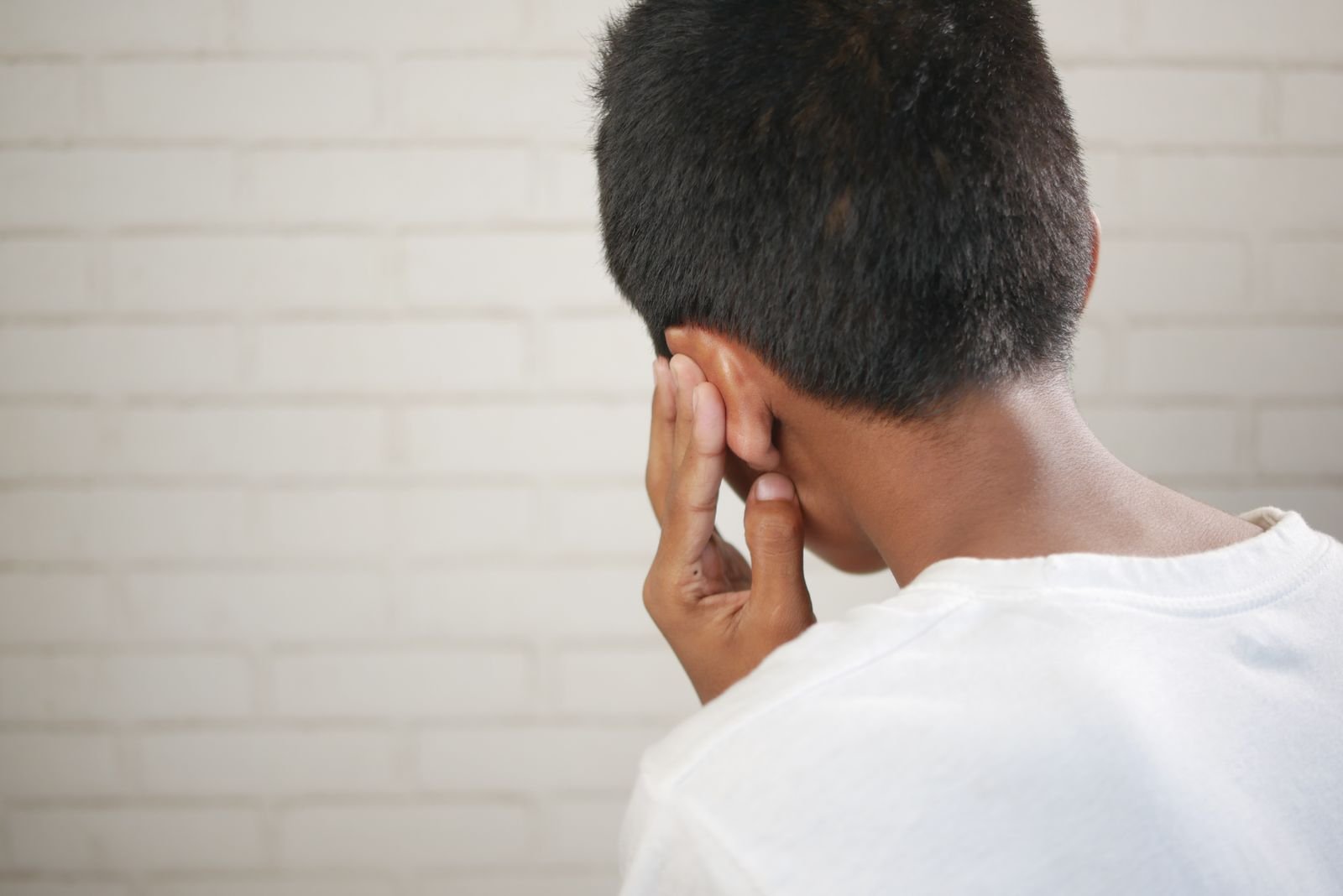
Tinnitus is hearing a sound, such as ringing, buzzing or hissing, that has no outside source. It is common and often linked with hearing loss. A careful evaluation looks for treatable causes, and therapy helps the brain pay less attention to the sound.
Tinnitus is usually a symptom rather than a disease. The first step is a hearing test and ear examination. Many people improve with treating the cause, hearing aids when hearing is reduced, sound therapy and counselling.
Tinnitus in only one ear
Tinnitus that beats with your pulse
Tinnitus with hearing loss or dizziness
Tinnitus affecting sleep, focus or mood
Conditions
Conditions we diagnose and treat
Ringing or buzzing in one or both ears
Constant or intermittent sounds.
Tinnitus with hearing loss
The most common combination.
Pulsatile tinnitus
A sound that beats with your pulse, which needs evaluation.
Tinnitus with vertigo
Can point to inner ear conditions such as Meniere’s disease.
Diagnosis
Tests available in the clinic
Testing in the same building means fewer trips and a diagnosis you can act on sooner.
Tinnitus evaluation
Pure tone and speech audiometry
Impedance audiometry
OAE and BERA when indicated
Treatment
Procedures and surgeries
Treatment always starts with the least invasive option that works. These are the procedures offered when surgery is needed.
Tinnitus therapy
Sound therapy and structured counselling to reduce distress.
Hearing aids
Amplification often reduces tinnitus when hearing is low.
Treating the cause
Wax, infection or middle ear problems are treated first.
Founder & Chief Consultant
Dr. Udayakumar, MBBS, MS (ENT)
ENT specialist in otology, rhinology, neurotology, hearing sciences, and vertigo and balance disorders. Former Senior Consultant in ENT at Dr. Kamakshi Memorial Hospital and Assistant Professor of ENT at Adhiparasakthi Medical College. Founder of Dr. Udaya’s ENT Wellness Centre (2018) and SAMANILAI Diagnostic & Therapeutic Centre (2023).
Tinnitus from a temporary cause, such as wax or loud noise exposure, can settle. Long-standing tinnitus often becomes much less noticeable with sound therapy, hearing aids and counselling, even if it does not disappear completely.
Why does the ringing seem louder at night?
In a quiet room there is less background sound to mask it, so the brain notices it more. Soft background sound at bedtime is often helpful.
Is tinnitus in one ear serious?
One-sided or pulsatile tinnitus should always be evaluated, because it occasionally has a specific cause that needs further tests.
Consultations Monday to Saturday, 9:00 AM to 1:00 PM and 3:30 PM to 8:00 PM. Call ahead or send an appointment request and the clinic team will confirm your slot.