Neck lumps, thyroid nodules, salivary gland swellings and mouth lesions are evaluated and treated surgically when needed, including thyroidectomy, parotidectomy and removal of salivary gland stones and tumours.
A neck lump that lasts more than two to three weeks, or a thyroid swelling, should be examined by an ENT surgeon. Evaluation usually includes ultrasound and, when needed, a needle test (FNAC) before any decision about surgery.
Any neck lump lasting more than 2 to 3 weeks
A visible or growing thyroid swelling
Swelling under the jaw that increases with meals
A mouth ulcer that does not heal in 2 weeks
Hoarseness with a neck swelling
Conditions
Conditions we diagnose and treat
Neck lumps and swellings
Lumps that persist beyond two to three weeks.
Thyroid disorders and nodules
Goitre, nodules and thyroid swellings that need surgery.
Salivary gland disorders
Swelling, infection and stones in the salivary glands.
Parotid and submandibular problems
Swellings in front of the ear or under the jaw.
Oral cavity lesions
Ulcers, patches and growths in the mouth.
Head and neck cancers
Evaluation, biopsy and surgical management.
Lymph node enlargement
Enlarged neck nodes from infection or other causes.
Skin and soft-tissue lesions
Cysts and growths of the head and neck.
Diagnosis
Tests available in the clinic
Testing in the same building means fewer trips and a diagnosis you can act on sooner.
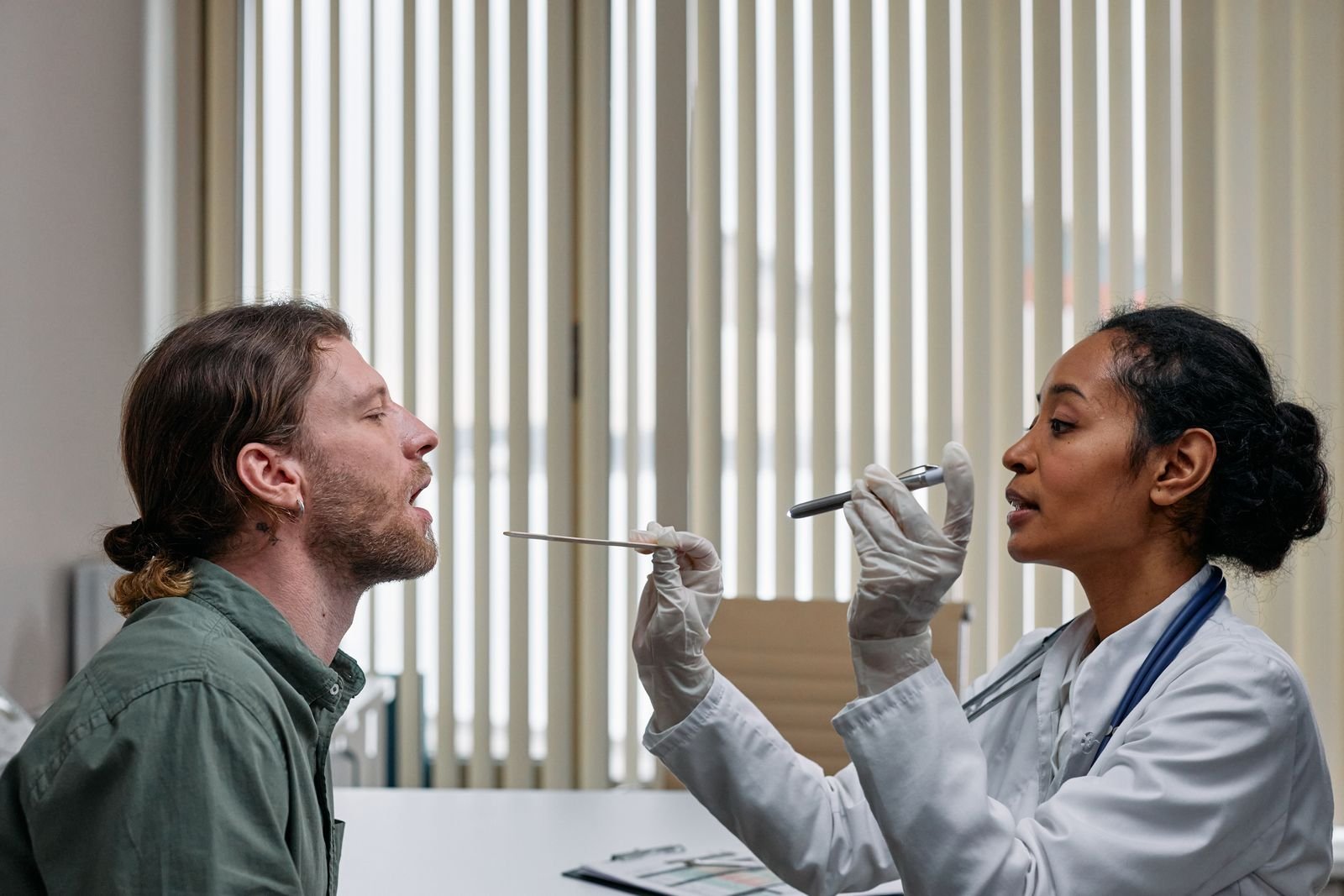
Clinical examination and endoscopy of the throat
Ultrasound neck and FNAC coordination
Biopsy of suspicious lesions
CT or MRI review when needed
Treatment
Procedures and surgeries
Treatment always starts with the least invasive option that works. These are the procedures offered when surgery is needed.
Hemithyroidectomy
Removing one lobe of the thyroid gland.
Total thyroidectomy
Removing the whole thyroid gland.
Parotidectomy (superficial or total)
Removing parotid gland tumours while protecting the facial nerve.
Submandibular gland excision
Removing the gland under the jaw.
Salivary gland tumour excision
Surgery for benign and malignant salivary tumours.
Surgery for salivary gland stones
Removing stones that block the gland ducts.
Excision of oral cavity lesions
Removing growths from the mouth.
Tongue lesion excision
Removing lesions from the tongue.
Tongue-tie release
Freeing a tight tongue frenulum.
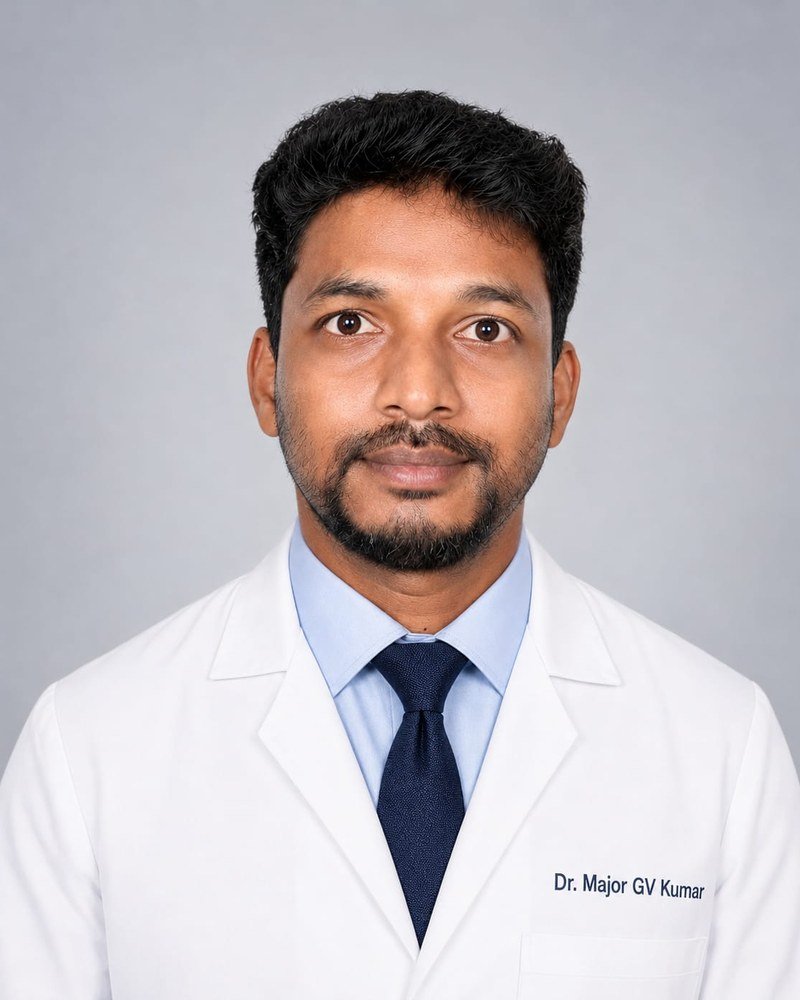
Founder & Chief Consultant
Dr. Udayakumar, MBBS, MS (ENT)
ENT specialist in otology, rhinology, neurotology, hearing sciences, and vertigo and balance disorders. Former Senior Consultant in ENT at Dr. Kamakshi Memorial Hospital and Assistant Professor of ENT at Adhiparasakthi Medical College. Founder of Dr. Udaya’s ENT Wellness Centre (2018) and SAMANILAI Diagnostic & Therapeutic Centre (2023).
No. Most thyroid nodules are benign. Ultrasound and, when indicated, a fine needle test (FNAC) help decide which nodules need surgery and which only need follow-up.
Will I need to take medicine after thyroid surgery?
After total thyroidectomy you will need daily thyroid hormone tablets for life. After removing one lobe, many people do not need them, but thyroid levels are checked during follow-up.
Why does my jaw swell when I eat?
Swelling under the jaw that increases with meals often points to a salivary gland stone blocking the duct. It can be confirmed with examination and imaging, and treated.
Consultations Monday to Saturday, 9:00 AM to 1:00 PM and 3:30 PM to 8:00 PM. Call ahead or send an appointment request and the clinic team will confirm your slot.